Learning Through Play: Why It Really Works
Learn why play-based learning is essential for early childhood development and how creative activities support growth.
1/9/20262 min read
Play as a Learning Tool
Play is not just fun—it’s a vital part of childhood development. Children learn best when they are engaged and actively exploring their environment. Learning through play encourages curiosity, problem-solving, and creativity while allowing children to build essential social and cognitive skills.
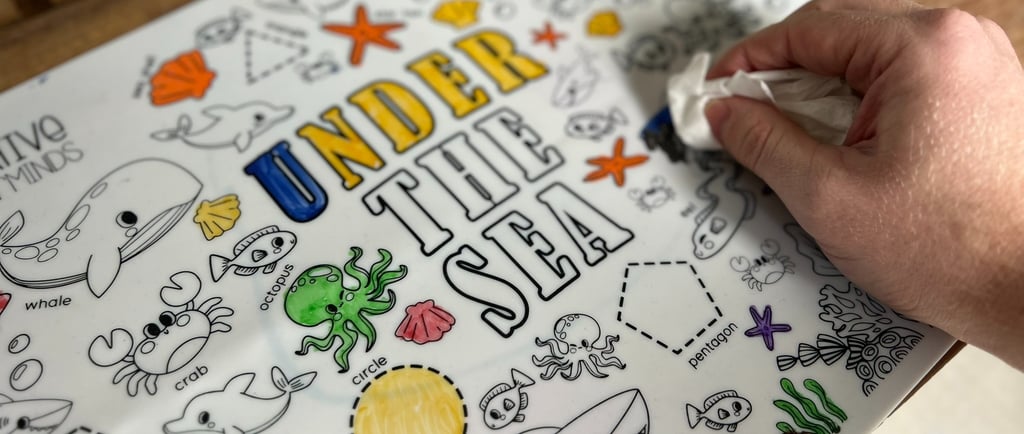
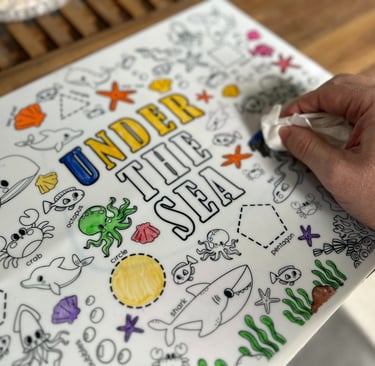
Mess-free, creative tools like reusable drawing mats enhance play by providing endless opportunities for learning without the stress of cleanup.
The Science Behind Play-Based Learning
Research shows that children who engage in play-based learning develop stronger cognitive, social, and motor skills. Play allows children to:
Experiment with cause and effect
Solve problems in a hands-on way
Develop language and communication skills
Build confidence and independence
When play is interactive and creative, it enhances memory retention and critical thinking abilities.
Types of Learning Through Play
1. Creative Play
Drawing, painting, and imaginative activities support expression, fine motor development, and early literacy skills.
2. Physical Play
Movement-based activities like building blocks, climbing, or dancing develop gross motor skills and body awareness.
3. Social Play
Playing with peers teaches sharing, empathy, and conflict resolution.
4. Cognitive Play
Puzzle-solving, matching games, and pattern recognition improve problem-solving and critical thinking skills.
How Reusable Drawing Mats Support Learning Through Play
Reusable drawing mats encourage repeated practice, experimentation, and independent thinking. Children can draw, erase, and start again, fostering a mindset of exploration and resilience.
These mats are excellent for:
Practising pre-writing and fine motor skills
Learning shapes, letters, and numbers
Creative storytelling and illustration
Encouraging Independent Learning
When children have access to open-ended, mess-free tools, they naturally explore ideas on their own. This independence supports confidence, decision-making, and self-guided learning.
Combining Learning and Fun
Learning doesn’t have to feel like work. Mess-free creative activities make learning enjoyable and sustainable, increasing children’s engagement and retention of new skills.
Supporting Parents and Educators
Reusable, mess-free tools benefit both parents and educators by providing easy-to-manage, educational play options. They reduce setup and cleanup time while maintaining an engaging, safe learning environment.
Long-Term Benefits of Play-Based Learning
Children who engage in consistent, play-based learning develop critical cognitive, emotional, and social skills that prepare them for school and lifelong learning. Encouraging creativity through play fosters adaptability, problem-solving, and confidence.
FAQ – Learning Through Play (Schema-Ready)
Q: What is learning through play?
A: Learning through play is an approach that encourages children to explore, create, and problem-solve through engaging, hands-on activities.
Q: How does play support early childhood development?
A: Play develops cognitive, social, motor, and emotional skills while building creativity and confidence.
Q: Can reusable drawing mats support learning through play?
A: Yes, they provide a safe, mess-free way for children to practise skills repeatedly and explore creativity.
Q: How much play is recommended for young children?
A: Short, frequent, and diverse play sessions throughout the day are ideal for early learning.
Scribbly Kids
(Formerly Creative Masterminds) – same great reusable drawing mats, now with a fresh new name!”
Contact
info@scribblykids.com.au
© 2023. All rights reserved.