Finding Balance Without Screens
Screens are everywhere, and while they can be useful at times, many parents are looking for ways to reduce screen time for their young children. Toddlers and preschoolers thrive on hands-on, interactive play that allows them to explore, move, and create.
Screen-free activities offer meaningful engagement without overstimulation. They support healthy development, encourage creativity, and help children build essential life skills.
Why Screen-Free Play Matters in Early Childhood
Excessive screen time has been linked to reduced attention span, disrupted sleep, and limited opportunities for hands-on learning. Screen-free play helps children develop focus, imagination, and physical coordination.
Benefits of screen-free activities include:
Improved concentration and attention
Stronger fine and gross motor skills
Better emotional regulation
Increased creativity and imagination
What Makes a Great Screen-Free Activity?
Effective screen-free activities are open-ended, engaging, and easy to access. They should encourage children to explore at their own pace and allow for creativity rather than passive consumption.
Activities that involve drawing, building, and imaginative play are especially valuable for early development.
Top Screen-Free Activities for Toddlers and Preschoolers
1. Drawing and Colouring
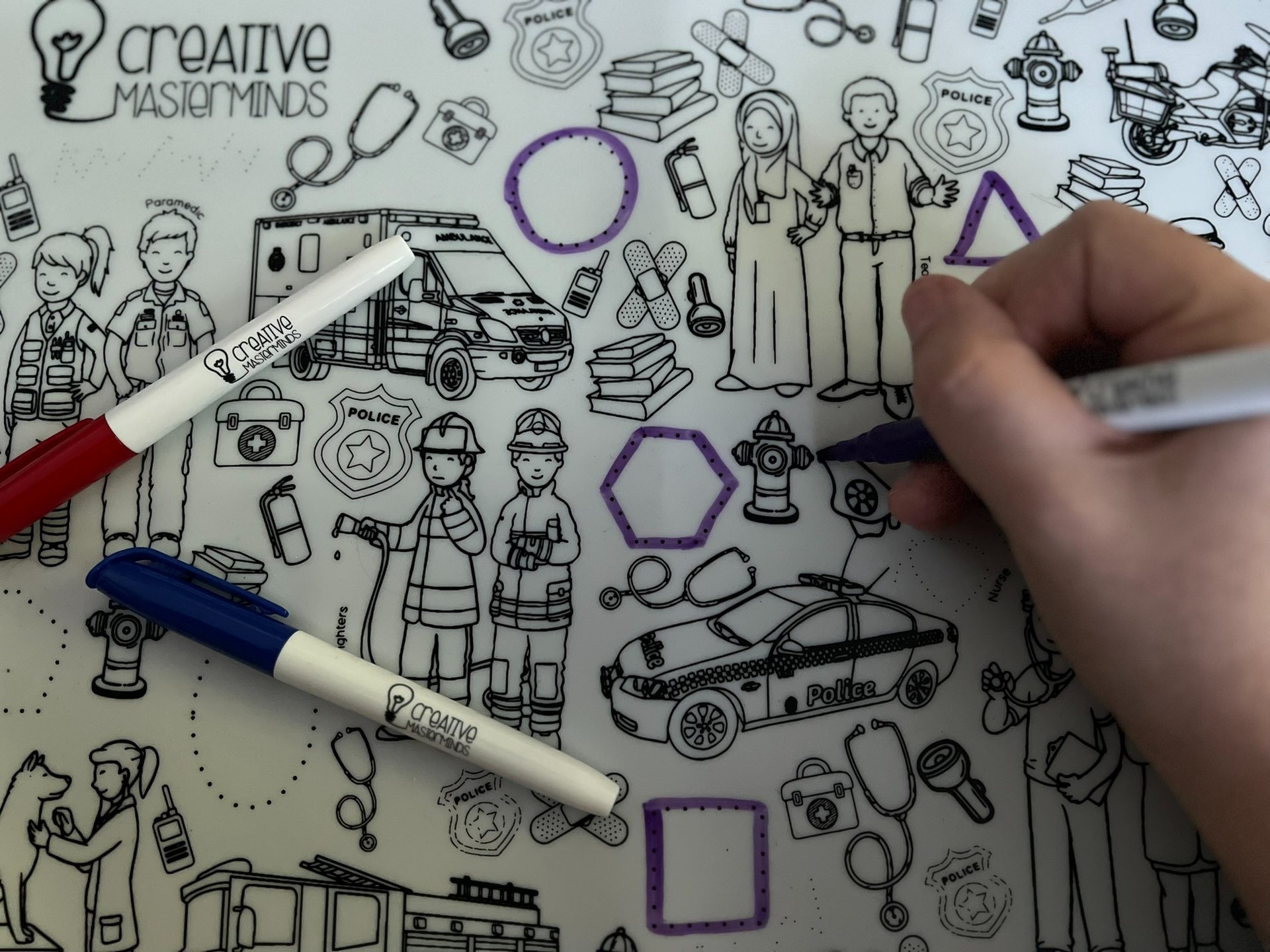
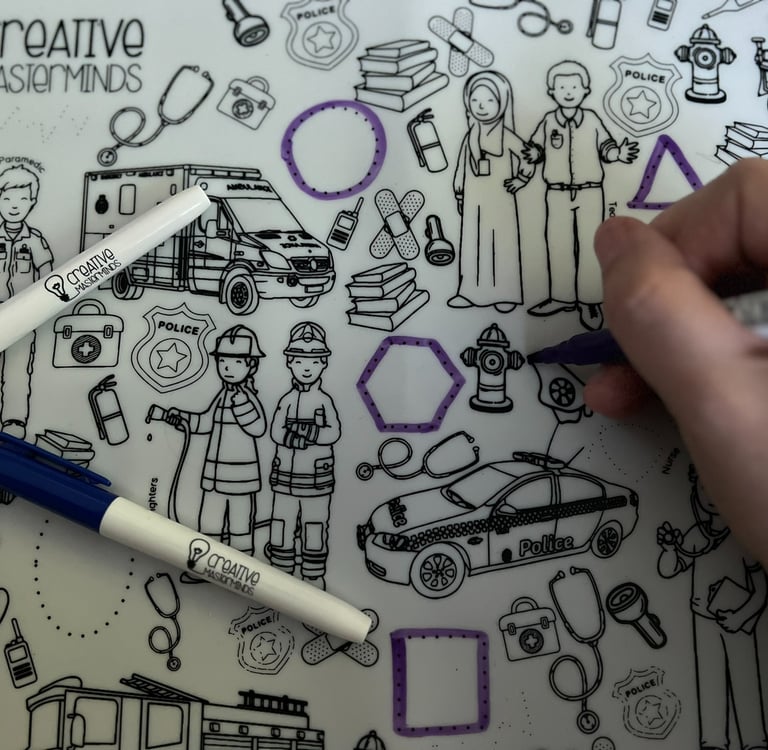
Drawing helps children express themselves while building fine motor skills. Reusable, wipe-clean drawing mats make this activity easy to repeat without mess.
2. Tracing Shapes, Letters, and Numbers
Tracing supports early literacy and numeracy while improving hand control and confidence.
3. Imaginative Drawing Prompts
Simple prompts such as “Draw your family” or “Create your own animal” spark imagination and storytelling.
4. Independent Creative Play
Providing simple creative tools encourages children to play independently, boosting confidence and problem-solving skills.
Reducing Screen Time Without Resistance
Removing screens suddenly can lead to frustration. Offering engaging alternatives makes the transition smoother. When creative tools are readily available, children naturally gravitate toward hands-on play.
Reusable drawing mats are always ready to use, making them an easy alternative to screens.
Supporting Learning Through Screen-Free Play
Screen-free activities support early learning by developing fine motor skills, cognitive processing, and emotional expression. Drawing-based activities also support pre-writing skills and school readiness.
Screen-Free Play at Home and On the Go
Screen-free activities don’t need to stay at home. Portable, mess-free tools are perfect for:
Car trips
Restaurants and cafes
Waiting rooms
Holidays
This flexibility helps parents reduce screen reliance in everyday situations.
Creating a Screen-Free Routine
Building screen-free time into daily routines helps children know what to expect. Short, regular creative sessions are often more effective than long, structured activities.
Long-Term Benefits of Screen-Free Habits
Children who engage regularly in screen-free play often develop stronger attention skills, creativity, and independence. These benefits extend into school years and beyond.
FAQ – Screen-Free Activities (Schema-Ready)
Q: What are the best screen-free activities for toddlers?
A: Drawing, tracing, imaginative play, and hands-on creative activities are excellent screen-free options.
Q: How much screen time is recommended for young children?
A: Guidelines vary, but many experts recommend limited screen time and prioritising hands-on play for toddlers and preschoolers.
Q: Can screen-free activities support learning?
A: Yes. They support fine motor skills, creativity, problem-solving, and emotional development.
Q: How can parents reduce screen time without tantrums?
A: Offering engaging, mess-free alternatives makes it easier to shift away from screens.